First Time in an Academic Setting
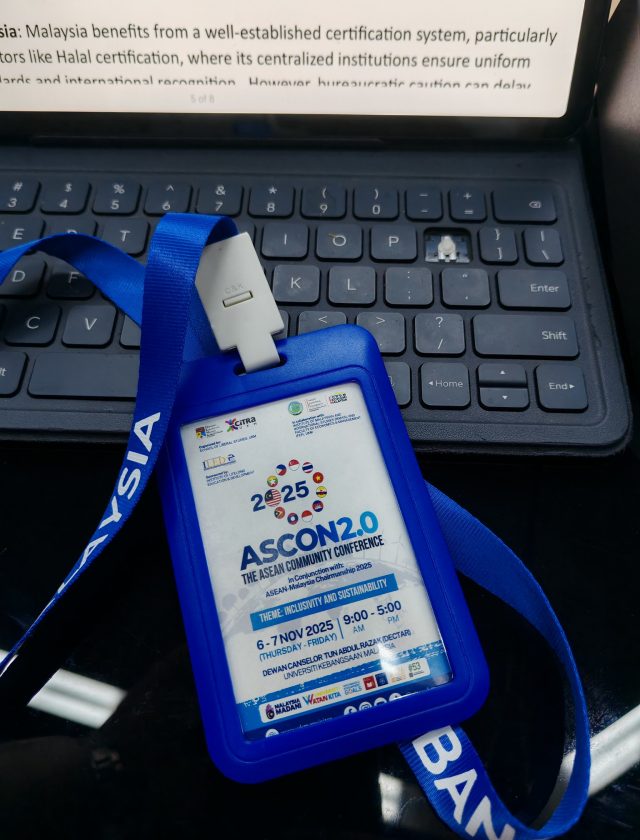
I joined the ASEAN Community Conference 2.0 at Universiti Kebangsaan Malaysia as a presenter. It was my first time ever taking part in an academic event like this. Presenters, participants, students and lecturers came from all over ASEAN, meaning people from different countries in Southeast Asia gathered together to talk, to share, and to learn from each other. The conference is designed to bring together scholars and professionals to discuss issues about ASEAN development, sustainability, regional collaboration and inclusivity, which was the main theme of the event. The organisers emphasised how inclusivity is important for ASEAN, and how people from different backgrounds and contexts can be part of the region’s future.
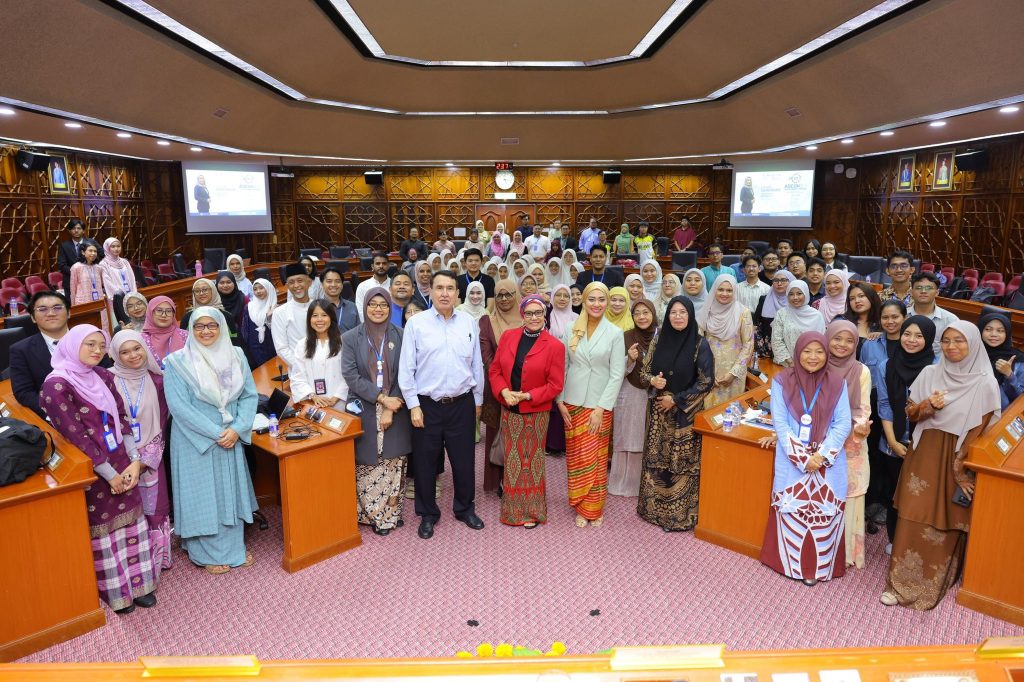
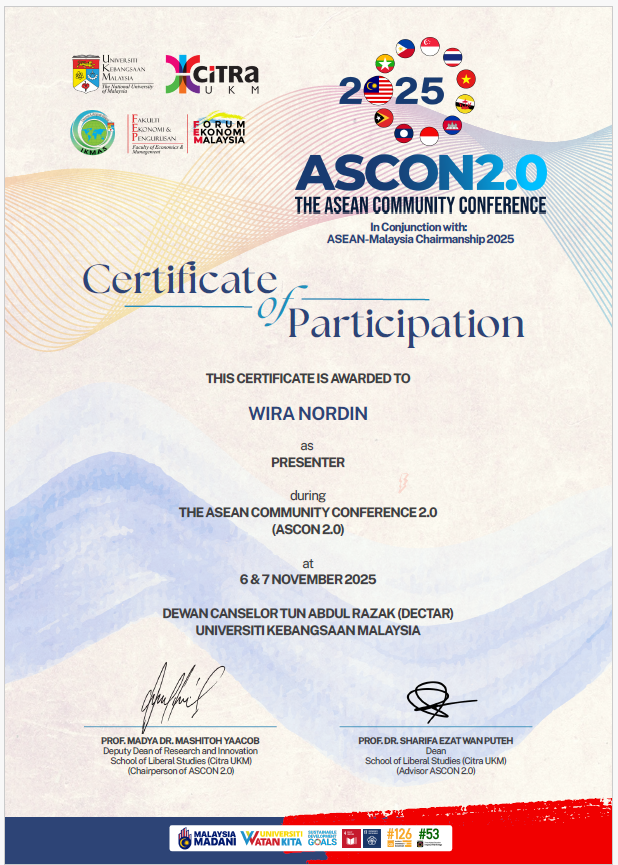
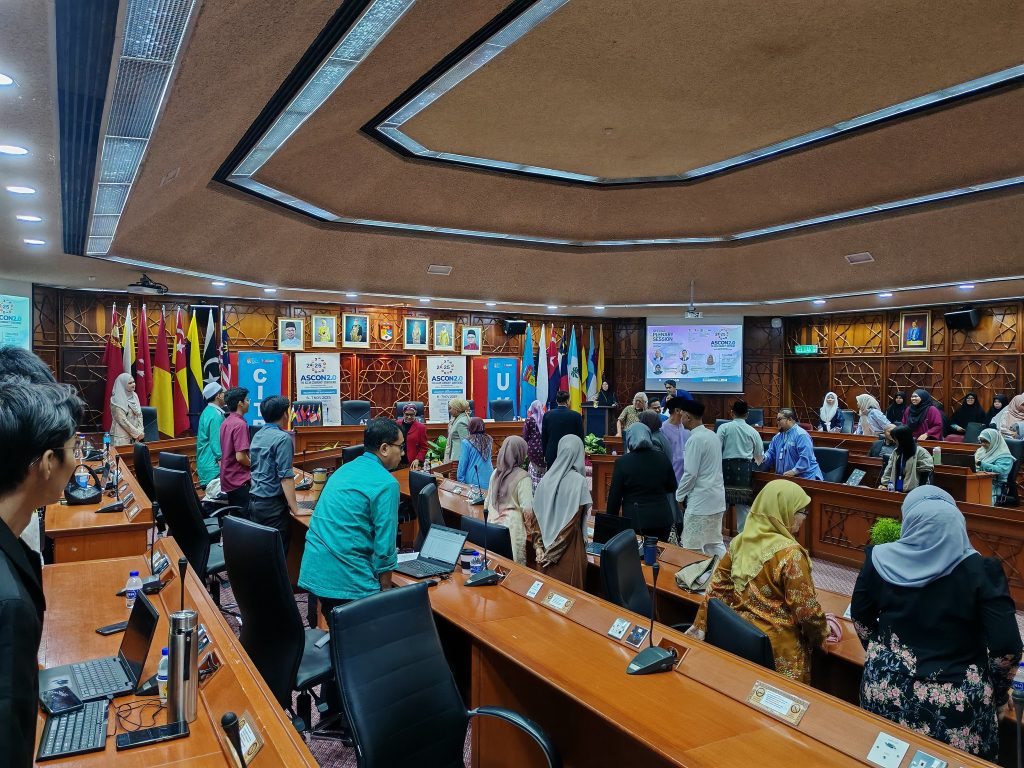
I submitted three papers to the conference. It began with submitting an abstract for each one, and thankfully all three were accepted. Because I had more than one paper, I needed to work with others to complete the full submissions. That meant collaboration with people I did not know before. Working together on academic writing and on preparing presentations was both challenging and rewarding. We shared ideas, gave feedback, and learned from one another. I met new friends in the process, people who come from different disciplines and from different countries. We discussed not only our papers, but also our interests, our experiences, and what it means to be part of ASEAN today.
Standing in front of an audience and presenting in an academic setting was a completely new experience for me. It made me think differently about how research is communicated. It made me more aware of structure, argument, evidence and clarity. It was exciting, but also nerve-racking at times. I could feel the seriousness of the moment and the responsibility of representing ideas that mattered to more than just myself.
The conference itself had many sessions where participants could listen to other presenters, attend panels and engage in discussion. There was a sense of collective inquiry, a search for understanding and solutions that go beyond borders. Being surrounded by people who are genuinely curious and open to learning reminded me why academic spaces like this exist.
Because the theme of the conference was inclusivity, many of the discussions and sessions emphasised the importance of including voices that are often marginalised, of ensuring that development and progress are accessible to all members of society, and of strengthening regional cooperation in ways that respect diversity. It was not just theory on paper. I heard examples, challenges, and proposals that were grounded in lived experiences across Southeast Asia.
Meeting people during the event was as important as presenting. I exchanged contacts, shared stories, and made connections that I believe will last beyond the conference itself. There was an element of community that grew out of mutual respect and shared purpose. These new friends were people who understood the work, the struggle, and the joy of communicating ideas to others.
When it was over, I felt a mix of exhaustion and fulfilment. It was intense, demanding, and deeply educational. I returned with fresh perspectives on academic work and a stronger sense of what inclusivity means in the ASEAN context. I also came back with new friends and a renewed appreciation for collaborative thinking and learning.
This experience marked a beginning for me in the academic world. I did not just attend a conference. I participated in a dialogue with others who are shaping knowledge and ideas in this region. It was challenging, but it was meaningful in a way that’s hard to put into words. And I am glad I was there.


