Being There, Because Democracy Allows It
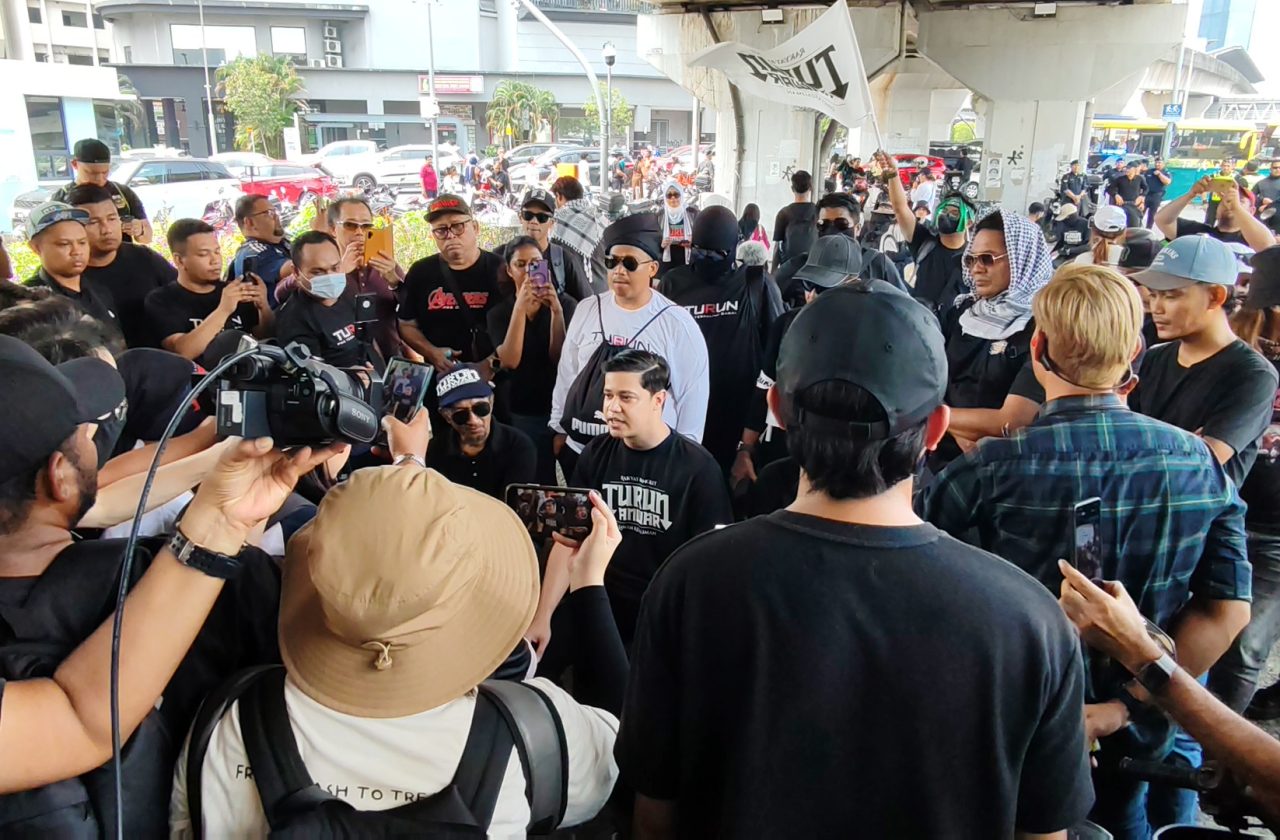
I was there at the Turun Anwar rally.
Not as someone driven by anger, nor as someone rejecting institutions but as a participant who appreciates what democracy allows: the right to assemble, to express, and to be present without fear.
In many countries, such a gathering would be unthinkable.
In some, it would be crushed before it began.
In others, it would come at a very high personal cost.
In Malaysia, imperfect as our democracy may be, people were able to gather, speak, disagree, and go home.
That matters.
I attended not because I oppose Anwar Ibrahim, nor because I subscribe wholesale to the rally’s slogans. I attended because democracy is not proven through elections alone it is tested in how power responds to dissent, and how citizens exercise their freedoms responsibly.
The atmosphere was firm but largely orderly.
People came from different backgrounds, with different motivations, united less by ideology than by a shared belief that public space belongs to the people.
For me, being there was observational as much as participatory. Listening. Watching. Feeling the pulse of public sentiment not through social media narratives, but through bodies in motion, voices in unison, and silences in between chants.
As someone who studies politics, governance, and democratic systems, moments like these are important. They remind us that democracy is not static. It breathes. It stretches. Sometimes it strains. But it survives when space is given for disagreement without violence, and expression without repression.
Supporting democracy does not require blind loyalty to leaders.
Criticism does not equate to disloyalty to the nation.
If anything, democracy is strongest when citizens feel confident enough to show up peacefully, openly and consciously knowing that their presence alone is a form of civic engagement.
I went home that day tired, reflective, and oddly calm.
Not because everything is right.
But because the space to speak still exists.
And that, in itself, is worth acknowledging.


